Thinking about trading a shorter Seattle commute for more space in Auburn? You are not alone. Many buyers weigh the comfort of a larger home and yard against daily drive times and transit options. In this guide, you will learn how housing, commute choices, and lifestyle differ between Auburn and Seattle so you can make a confident, practical decision. Let’s dive in.
Housing tradeoffs: space, style, and price
What you will find in Auburn
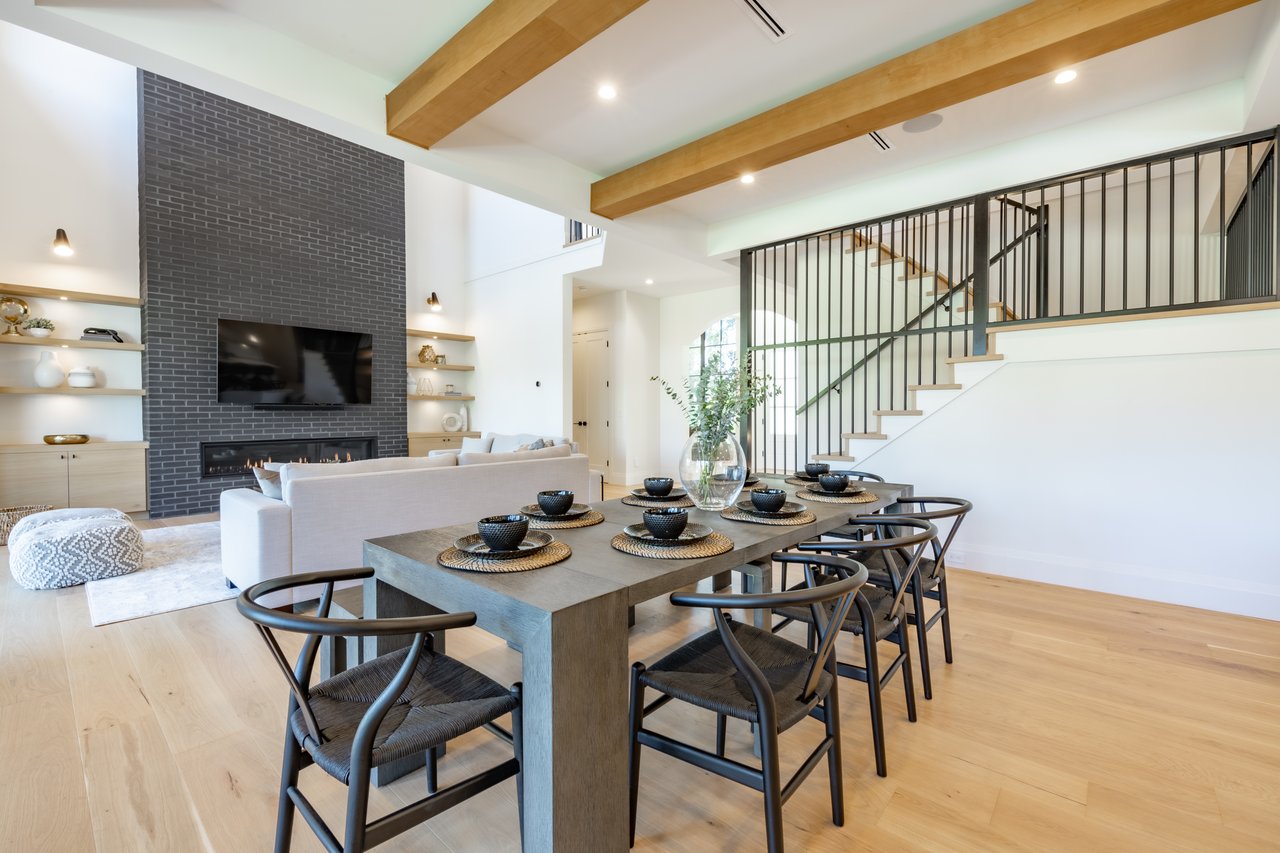
Auburn offers a classic suburban mix with many single-family homes on larger lots. You will see mid-century ranch and split-level homes, 1–2 story colonials, and newer tract communities built from the 2000s on. Near downtown and the Sounder station corridor, townhomes and smaller-scale multifamily options are becoming more common.
If you want a backyard for pets, gardening, or weekend barbecues, Auburn typically makes that easier to achieve within budget. The tradeoff is more exterior maintenance and, for older homes, potential updates.
What you will find in Seattle
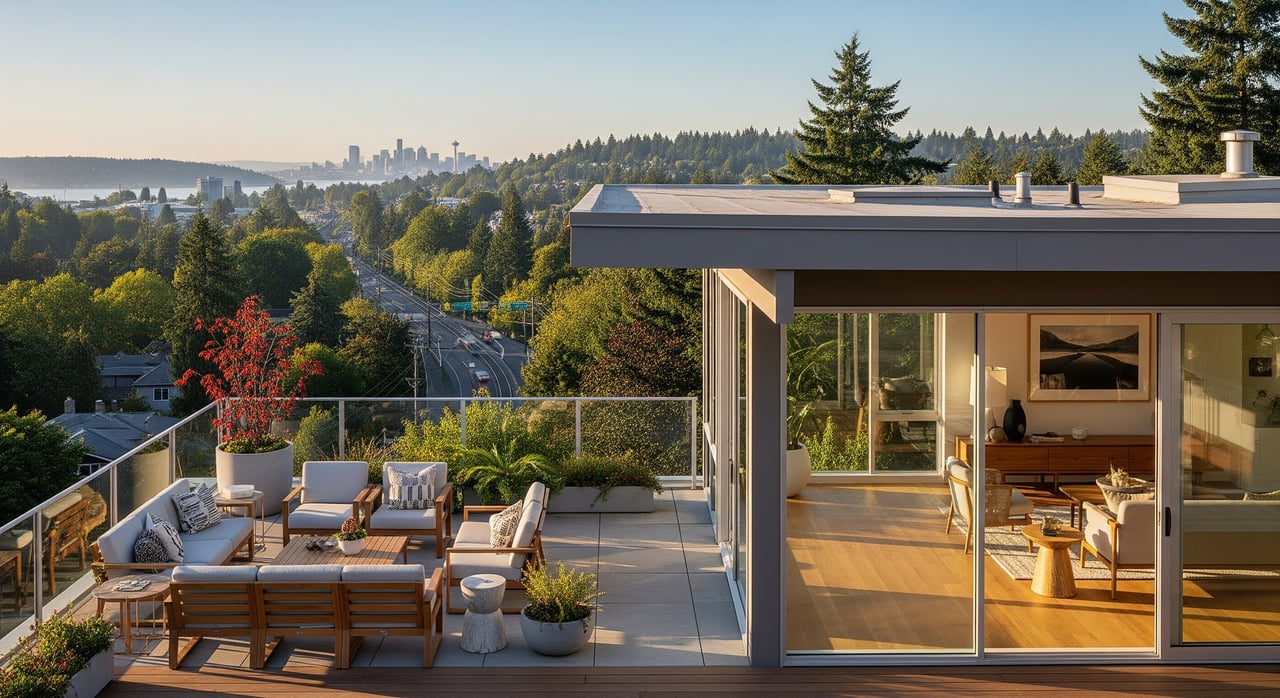
Seattle’s housing skews urban. Condos and apartments dominate close to downtown and neighborhoods like Capitol Hill and Lower Queen Anne. Single-family homes exist in outer neighborhoods such as Ballard and West Seattle, but lots tend to be smaller and prices higher per square foot. You gain proximity to major job centers and an extensive dining and arts scene, often at the cost of interior space and yard size.
Price and space realities
While exact numbers move with the market, the pattern is consistent: Auburn often delivers more square footage and a larger yard for the same budget that might buy a smaller Seattle condo or townhome. That value gap reflects Seattle’s job proximity, zoning, and density, along with strong demand for urban living.
If you are comparing apples to apples, look at price per square foot, lot size, and HOA fees where applicable. Your day-to-day lifestyle and commute will determine whether the extra space is worth the added travel time.
Maintenance and taxes to consider
Larger lots come with yard care, tree work, and exterior upkeep. Older Auburn homes may require updates to systems or finishes. Property tax rates are set by county and local levies, so review specific parcels using county tools and recent assessments before you write an offer. A clear budget that includes maintenance and taxes will help you avoid surprises.
Commute to Seattle and Tacoma
Key routes from Auburn
Auburn sits at the crossroads of SR 167 and SR 18, with connections to I-5 and I-405. Driving distance to downtown Seattle is roughly 25 to 35 miles depending on your starting point. Auburn to Tacoma is around 12 to 20 miles. Your exact time will vary by origin, destination, and the day’s traffic.
Typical drive times
- Auburn to downtown Seattle: about 35 to 60+ minutes in peak traffic. Off-peak can run closer to 30 to 40 minutes.
- Auburn to downtown Tacoma: about 20 to 40 minutes during peaks.
SR 167 and I-5 see heavy congestion during rush hours. Incidents and construction can add significant time, so plan a buffer for important appointments.
Sounder South Line commuter rail
Auburn Station provides peak-direction Sounder trains to Seattle’s King Street Station and to Lakewood/Tacoma area. The ride to downtown Seattle typically runs about 35 to 45 minutes from Auburn. Service is concentrated around morning and evening peaks, which makes it predictable for 9-to-5 schedules but less flexible mid-day. Parking at Auburn Station and nearby park-and-rides can fill early on busy weekdays, so plan your arrival time.
Regional buses and HOV lanes
King County Metro and Sound Transit operate express routes that leverage HOV lanes on SR 167 and I-5 when available. Some buses provide direct runs to downtown Seattle or connect at regional hubs. Like Sounder, these routes focus on peak commuting times.
Transit tradeoffs to know
- Predictability: Sounder is consistent for peak trips, while freeway traffic can vary day to day.
- Flexibility: Off-peak or mid-day travel often requires buses, driving, or a combination.
- First and last mile: Many Auburn neighborhoods are a short drive, bike, or bus hop from the station. If you want to reduce car use, target homes closer to the station or along bus corridors.
- Cost: Weigh transit fares, fuel, parking, tolls where applicable, and vehicle costs as part of your monthly budget.
Lifestyle and amenities
Everyday convenience
Auburn’s core offers grocery stores, big-box retail, local restaurants, and community services. You will find parks and playfields in many neighborhoods, along with seasonal events and a growing downtown corridor. Seattle offers a larger, more varied restaurant and nightlife scene, museums, professional sports, and dense neighborhood retail.
Parks and outdoor recreation
If you love the outdoors, Auburn puts you close to the Green and White Rivers, regional parks, and weekend gateways to Mount Rainier and national forests. Lake Tapps and other nearby lakes provide warm-weather boating and paddling within a short drive. Seattle balances that with iconic urban parks like Discovery Park and quick ferry access for island day trips.
How commute affects your week
A reliable commute from Auburn can work well when you align it to Sounder schedules. If you drive daily at peak times, expect your evening time to be tighter. On the flip side, if remote or hybrid work is part of your routine, Auburn’s space and yard can make life at home more comfortable.
Who might prefer Auburn vs. Seattle
- You want more house for the money: Auburn commonly provides larger living areas and yards, ideal if you need a home office, playroom, or workshop.
- You commute to Seattle but value predictability: Living near Auburn Station and using Sounder can balance travel time with comfort and routine.
- You are remote or hybrid: If you are not driving daily, Auburn’s lifestyle and space may win out over proximity.
- You want walkable urban amenities most days: Seattle’s neighborhoods place dining, arts, and nightlife closer to your doorstep, often with a shorter commute.
A practical decision checklist
Budget and size needs
- Identify your target square footage, bedroom count, and outdoor space.
- Compare price per square foot across both areas and include HOA dues if relevant.
- Add a maintenance reserve for older homes or larger yards.
Commute tolerance and schedule
- Map your door-to-door trip at your expected commute times.
- Test both driving and Sounder to see which routine fits best.
Transit dependency vs. car reliance
- If you prefer transit, focus on homes near Auburn Station or along frequent bus routes.
- If you will drive often, check driveway capacity, street parking, and local congestion patterns.
Schools and family needs
- Review district boundaries and state report cards for the specific schools that serve each address.
- Consider proximity to childcare, sports fields, and after-school activities.
Resale and time horizon
- If you may sell within 3 to 5 years, weigh proximity to transit and emerging development areas.
- Track recent neighborhood comps, price per square foot, and time on market.
Where to look in Auburn
Near Auburn Station and downtown
- Pros: Easier access to Sounder, restaurants, markets, and services. Great for commuters who want to walk or bike to the train.
- Cons: Higher-density housing types nearby and fewer large-lot single-family homes immediately adjacent.
West Hill, Lea Hill, and Auburn Valley
- Pros: More single-family options, larger lots, and a quieter residential feel. Good access to neighborhood parks.
- Cons: Longer drive to the station and some freeway corridors depending on the pocket.
Near SR 18 and SR 167 access
- Pros: Quicker entry to major routes for Seattle or Tacoma commutes. Convenient for households with multiple drivers.
- Cons: Potential for traffic noise and heavier vehicle activity near the interchanges.
Sample weekday commute plans
- Sounder-first plan: Drive, bike, or bus to Auburn Station, take the peak-direction Sounder to King Street Station, then walk or transfer for the last mile. This offers predictable door-to-door timing.
- Hybrid plan: Drive to a park-and-ride along SR 167 or I-5, then hop an express bus or transfer to rail. This can trim freeway stress and parking costs downtown.
- Drive-first plan: Leave earlier than peak or shift your work hours to skirt the busiest windows. Keep a backup transit option for days with major incidents.
Tips to reduce commute friction
- Do a real-world test at your exact commute time to confirm travel ranges.
- Arrive early for station parking on high-demand days.
- Keep a flexible Plan B, such as a different park-and-ride or a bus connection when traffic is heavy.
- Coordinate school pick-ups and activities with your chosen route and schedule.
Balancing weekend lifestyle
If your ideal weekend is on the water, trail, or at a community park, Auburn’s location near rivers, lakes, and regional parks is a strong fit. Lake Tapps is a favorite summer spot for boating and paddleboarding. If your weekend revolves around restaurants, live events, and museums, Seattle’s urban core keeps those experiences close at hand. Many buyers choose Auburn for home life and use Sounder or express buses to enjoy Seattle’s events without driving.
The bottom line
Choosing between Auburn and Seattle comes down to how you value space versus proximity, and predictability versus flexibility. Auburn often delivers more home and yard for your budget, along with access to rivers, lakes, and mountain gateways. Seattle shines with walkable urban amenities and shorter distances to major job centers. If you align your commute plan to your schedule and pick a neighborhood that fits your daily routine, either choice can be a win.
Ready to explore both options with a local, neighborhood-focused team by your side? Reach out to Bobbie Jo Roth for a friendly, no-pressure strategy call and custom home search.
FAQs
What are typical Auburn to Seattle commute times at rush hour?
- Plan for about 35 to 60+ minutes by car during peaks, or around 35 to 45 minutes on the Sounder South Line when using peak-direction trains.
How flexible is the Sounder South Line for daily commuting?
- Sounder is reliable during morning and evening peaks, but mid-day and late-night options are limited, so plan drives or bus connections for off-peak trips.
How does Auburn home size compare to Seattle at the same budget?
- Auburn commonly offers more interior square footage and larger yards, while the same budget in Seattle often buys a smaller condo or townhome.
What should I know about parking at Auburn Station?
- Parking can fill early on busy weekdays, so arriving ahead of peak trains or using permit options where available can help secure a spot.
Are there good non-peak transit options from Auburn to Seattle?
- Off-peak trips usually require express buses or a combination of routes; Sounder frequency is focused on rush hours.
Which Auburn areas are best for commuters who want the train?
- Homes near downtown Auburn and the station offer the easiest access, while West Hill and Lea Hill provide more single-family options with a longer station drive.