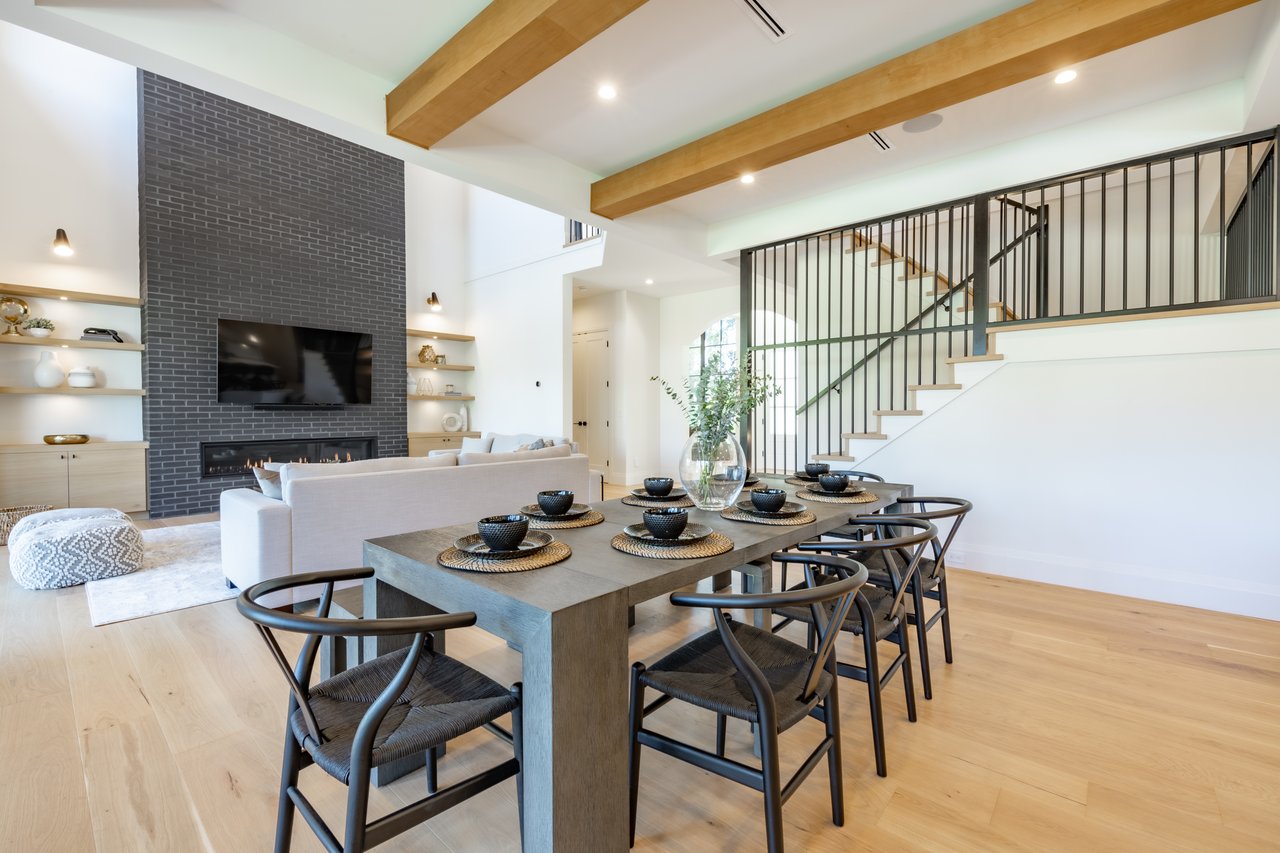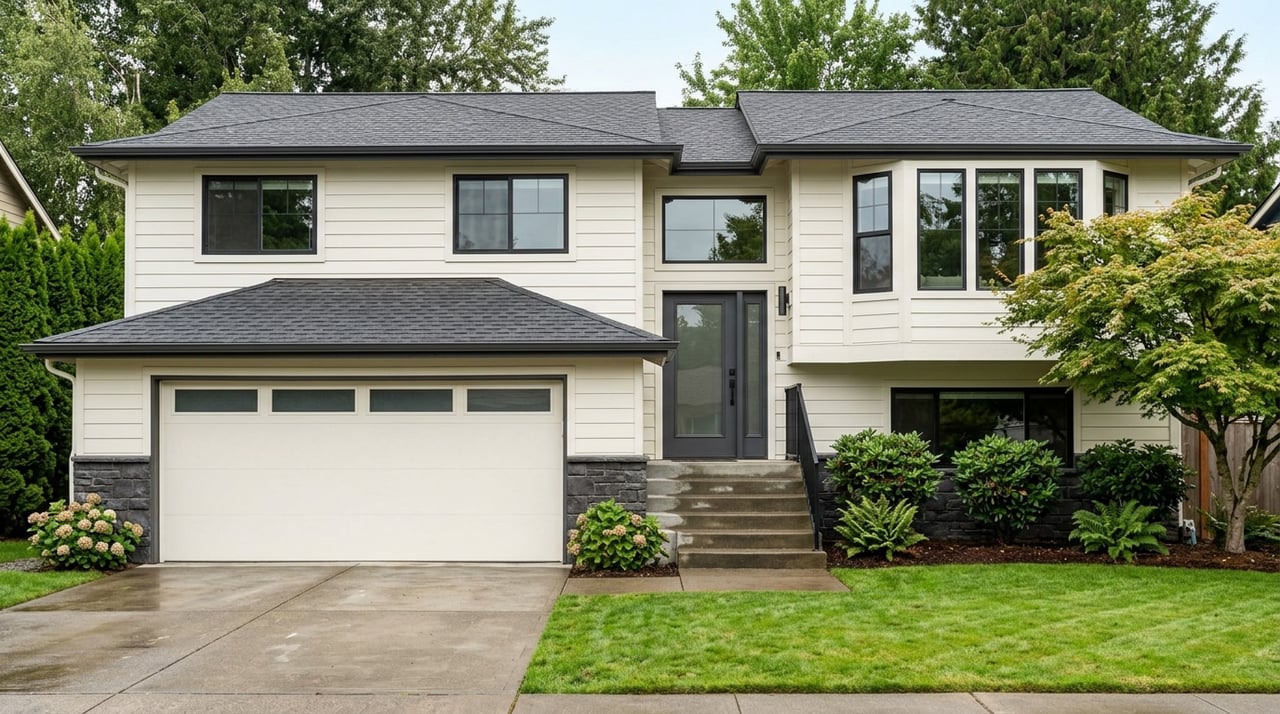
Wondering if a split-level home in Bonney Lake is a smart buy? You are not alone. These homes can offer more space, flexible lower levels, and strong value, but they also come with stairs, layout quirks, and some inspection details that matter more in Bonney Lake than they might elsewhere. If you are comparing older resale homes with newer construction, this guide will help you understand what to look for and what questions to ask. Let’s dive in.
Why split-level homes matter in Bonney Lake
Bonney Lake is still largely a single-family home market. Recent ACS profile data shows about 86% of the housing stock is single-unit structures, and roughly 79% of occupied homes are owner-occupied. That means many buyers here are choosing among established detached homes, including older split-level and tri-level layouts, rather than only shopping brand-new communities.
The local price picture also shapes the conversation. The median value of owner-occupied homes in Bonney Lake is about $607,900. For many buyers, that makes the split-level question less about style alone and more about space, function, and update potential.
Bonney Lake is also planning for future growth and more housing variety. City planning documents and the Sumner-Bonney Lake Housing Action Plan point toward a wider mix of housing types over time, including duplexes, triplexes, fourplexes, ADUs, and smaller-lot homes. In that setting, split-level homes remain one of the established resale options that can compete with newer floor plans.
What a split-level home is
A split-level home has floors on more than one level, with some floor levels separated by less than a full story. In everyday use, you will also hear the term tri-level, which is often used for a split-level variation with three staggered interior levels. The terms can overlap depending on local habit.
A common setup is simple. You enter near a middle level, where the main living spaces sit. Bedrooms are usually upstairs, while the lower level may include a family room, utility area, or connection to the garage.
That layout creates natural separation between activities. Living, sleeping, and recreation spaces tend to be divided by short stair runs instead of blending into one large open area. For some buyers, that feels practical and private. For others, it feels less convenient than a one-level or more open-concept home.
Why split-levels fit Bonney Lake lots
Bonney Lake’s terrain helps explain why split-level homes can feel so natural here. City water-system planning documents describe much of the service area as part of the Bonney Lake Plateau, with side slopes ranging from 25% to 50%, along with lakes, wetlands, and average annual rainfall of 48.87 inches.
On sloping ground, a split-level design can use the lot efficiently. It can also allow the lower level to capture more daylight than a fully below-grade basement might. In some cases, the staggered design creates a strong connection between lower-level living space and the yard.
That said, the same site conditions that make these homes make sense also raise the importance of drainage and moisture control. In Bonney Lake, buying a split-level is not only about the floor plan. It is also about how the home sits on the lot.
What buyers often like about split-level homes
Split-level homes can offer several practical advantages, especially if you want more usable square footage without stretching into newer construction pricing.
More space for the footprint
These homes were often designed to make efficient use of land and construction costs. That can mean you get multiple living zones without the same footprint as a large rambler. If you want room to spread out, the layout can work well.
Better separation of daily living
Many buyers like the built-in zoning. Bedrooms are typically set apart from the main living areas, while the lower level can become a media room, office, hobby space, or guest area. If your household wants separate spaces for noise, work, or downtime, this can be a real plus.
Flexible lower levels
The lower level is often one of the biggest selling points. Depending on the home, it may work well for a second living room, workout area, playroom, office, or multi-use flex space. In Bonney Lake, where homes often sit on varied terrain, a lower level may also connect more directly to the backyard.
Renovation opportunity
Older split-level homes can appeal to buyers who would rather update a home over time than pay a premium for brand-new construction. If you are comfortable with cosmetic changes or larger projects, a split-level may offer room to build equity through improvements.
What to think through before buying
Split-level homes are not perfect for every buyer. Knowing the tradeoffs upfront can save you time and help you make a smarter decision.
Stairs are part of daily life
The biggest tradeoff is simple: stairs. Even though the stair runs are usually short, you will likely go up and down levels often during the day. Think honestly about groceries, laundry, furniture moving, and long-term comfort.
Layouts feel more segmented
If you love a wide-open floor plan, a split-level may feel chopped up. These homes tend to have more visual separation between spaces. Some buyers love that sense of order, while others want more openness for entertaining or everyday flow.
Lower-level light and ventilation vary
Not all lower levels feel the same. Some are bright and comfortable, while others feel darker or more enclosed. As you tour homes, pay close attention to window size, natural light, airflow, and how the lower level feels during the day.
Renovation costs can add up
Opening walls, updating windows, finishing lower-level space, or improving the connection between the garage and interior can all increase your project scope. A home that looks like a quick cosmetic update can become a bigger investment once you start pricing improvements.
Bonney Lake inspection issues to watch
In Washington, a licensed home inspector performs a visual, noninvasive inspection of readily accessible systems. That includes the roof, foundation, exterior, heating, air conditioning, structure, plumbing, and electrical systems. The standards also include the site, such as land grade and water drainage directly next to the foundation.
That matters a lot for split-level homes because the lower level is often partly below grade. In Bonney Lake, with steep slopes, wetlands, creeks, and significant rainfall, buyers should be especially alert to how water moves around the home.
Look closely at drainage
As you walk the property, pay attention to:
- Grading near the foundation
- Gutters and downspouts
- Retaining walls
- Window wells
- Signs of seepage
- Areas where water may have collected near the home
A split-level can work beautifully on a sloped lot, but only if the site is managing water well.
Understand what a standard inspection does not cover
Washington’s standard inspection is limited. It does not automatically include mold, asbestos, lead paint, soil, air quality, or other environmental issues unless those services are separately agreed to in writing.
For an older split-level, that means you may want to ask whether your inspection package includes any specialty evaluations that matter to you. This is especially worth discussing if the lower level shows signs of moisture history or if you are planning renovations.
Why permits and site conditions matter
Bonney Lake’s development standards add another local layer to your due diligence. Sewer rules apply within the sewer service area, stormwater rules apply within city limits, and the city asks property owners and users to verify city limits, utility service areas, and critical areas through its GIS tools.
The city also notes that most work in critical areas or buffers requires an exemption or permit, and geologically hazardous areas may require review by an engineer or geologist. If you are buying a split-level on a hillside lot, or if you are thinking about drainage work, retaining walls, or additions, this is important.
In plain terms, a home inspection is only one part of the picture. The lot itself, and what can or cannot be changed on it, may affect your plans just as much as the home’s interior layout.
How to compare a split-level to newer homes
If you are trying to choose between an older split-level and newer construction in Bonney Lake, it helps to compare them through a practical lens.
| Factor | Split-Level Home | Newer Construction |
|---|---|---|
| Layout | More separated spaces | Often more open-concept |
| Stairs | Usually unavoidable | Varies by plan |
| Lot fit | Often strong on slopes | Depends on site and community |
| Update needs | May need renovations | Typically fewer immediate updates |
| Character | Established resale option | Newer finishes and systems |
| Flex space | Lower level may add versatility | Depends on floor plan |
The right choice depends on your priorities. If you value flexible living zones, an established resale setting, and the chance to personalize a home, a split-level may be worth a serious look. If you want a more open layout and fewer immediate projects, newer construction may feel easier.
A smart buying checklist
Before you make an offer on a split-level home in Bonney Lake, keep this checklist handy:
- Walk every stair run and imagine daily routines
- Check how much natural light reaches the lower level
- Look for exterior grading issues near the foundation
- Inspect gutters, downspouts, and drainage paths
- Ask about any past moisture or seepage concerns
- Review retaining walls and hillside conditions carefully
- Confirm which inspection services are included
- Ask about permits if past work appears extensive
- Consider whether the layout fits your long-term needs
Is a split-level right for you?
A split-level home in Bonney Lake can be a great fit if you want practical square footage, separate living zones, and a home design that often works well with local terrain. These homes can offer real value, especially if you are open to updates and want a layout that feels distinct from today’s newer builds.
The key is to look beyond surface finishes. In Bonney Lake, the lot, drainage, lower-level condition, and future improvement plans matter just as much as the kitchen or paint color. When you evaluate the full picture, you can decide with confidence whether a split-level supports the way you want to live.
If you are exploring homes in Bonney Lake and want local guidance on layout, resale potential, and property-specific details, reach out to Bobbie Jo Roth for a personalized, high-touch home search experience.
FAQs
What is a split-level home in Bonney Lake?
- A split-level home is a house with staggered floor levels, often with main living space on a middle level, bedrooms above, and a lower level for extra living space, utilities, or garage access.
Are split-level homes common in Bonney Lake?
- Bonney Lake is primarily a single-family home market, so split-levels are one of the established resale home types buyers may encounter alongside newer construction.
What are the benefits of buying a split-level home in Bonney Lake?
- Split-level homes can offer flexible living space, good separation between rooms, efficient use of sloped lots, and renovation potential for buyers who want to personalize a home.
What are the downsides of split-level homes for Bonney Lake buyers?
- The main downsides are frequent stair use, more segmented layouts, and the need to watch carefully for lower-level light, ventilation, and moisture issues.
What should buyers inspect in a Bonney Lake split-level home?
- Buyers should pay close attention to grading, gutters, downspouts, retaining walls, window wells, seepage signs, and any evidence of water collecting near the foundation.
Do Bonney Lake split-level homes need special due diligence?
- Yes. Because of local slopes, rainfall, wetlands, and possible critical-area or geologic constraints, buyers should look beyond the house itself and review site conditions and any planned improvements carefully.