Dreaming of morning paddles and sunset views on Lake Tapps? Buying waterfront here is different from buying on a natural lake. Licenses, permits, lake levels, and HOAs all shape how you can use the water and your dock. This guide walks you through what to verify before you write an offer so you can move forward with confidence. Let’s dive in.
Lake Tapps basics you should know
Lake Tapps is a reservoir, not a natural lake. Cascade Water Alliance owns the reservoir lakebed and most shoreline areas below elevation 545 feet. That ownership affects docks, bulkheads, boatlifts, and any structure that touches the lake. You will see those rules come up throughout this guide.
Because it is a major shoreline resource, Lake Tapps is regulated under state and local shoreline rules. The City of Bonney Lake and Pierce County each administer permits depending on where the property sits. Your first step is to confirm which jurisdiction applies to your parcel.
Licenses and permits: who says yes
Before you build, replace, or even keep a dock that sits over the reservoir, you need the right approvals.
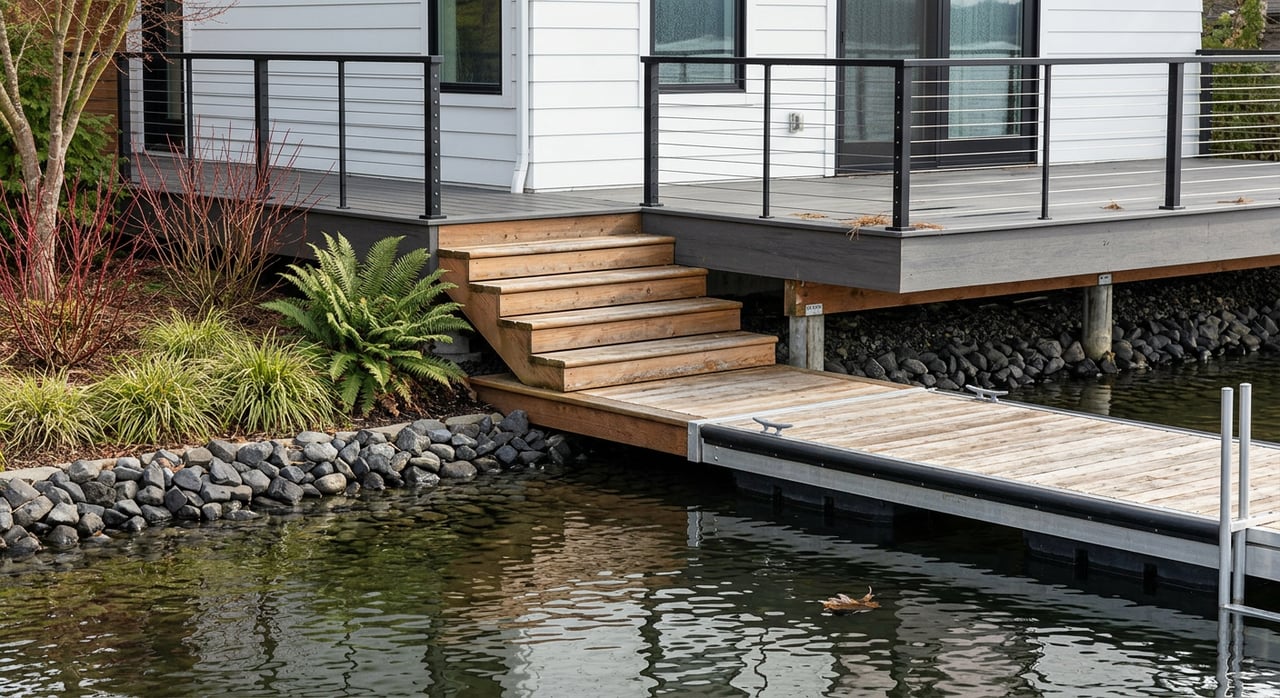
- Cascade Water Alliance license. Any structure on Cascade property requires a Cascade License. That includes docks, boatlifts, buoys, ramps, boathouses, and bulkheads. Always verify that a seller’s dock has a current license in writing. Review Cascade’s licensing guidance for requirements and process at the Cascade licensing and property management page: Cascade Water Alliance licenses and permits.
- Local shoreline permits. Depending on the scope, you may need a shoreline substantial development permit, an exemption, and building or grading permits from Pierce County or the City of Bonney Lake. Cascade’s homeowner guide outlines the typical sequence and contacts. See the step‑by‑step process in the Homeowners Guide to Licensing Improvements on Lake Tapps.
- State and federal reviews. Most in‑water work needs a Washington Department of Fish and Wildlife Hydraulic Project Approval. Some projects also require U.S. Army Corps of Engineers review. Plan for lead times.
Why the Cascade License matters when you buy
Sellers sometimes advertise a “private dock” that is not fully licensed. A lapsed, provisional, or missing license can lead to enforcement or removal. Ask for the current license and insurance certificate for any in‑water structure. Cascade’s program explains what they expect to see at licenses and permits.
Dock and bulkhead rules buyers miss
Every lake has its own technical limits. Lake Tapps has a few that surprise buyers:
- Size and length. Pierce County limits residential dock dimensions. Freshwater residential docks are commonly capped at 60 feet in length, with area and width limits that vary by site.
- Side setbacks. Docks must maintain a minimum 10‑foot separation from side property lines. This is measured precisely by permit staff.
- Lake Tapps measurement. For Lake Tapps, the linear distance of a dock is measured from elevation 543 feet. That reference matters for design and compliance.
- Joint‑use preference. Where feasible, joint docks are encouraged. Recorded agreements must spell out access, cost sharing, easements, and maintenance.
You can read the county’s shoreline standards for water‑access facilities in Pierce County Code 18S.40.140. If a property is inside Bonney Lake city limits, review the city’s shoreline chapter and process differences in Bonney Lake Municipal Code 16.38.
Enforcement is real
Local case law shows that unpermitted or non‑conforming docks can trigger enforcement, permit denial, conditions, or removal. Neighbors and the county watch setbacks and dimensions closely. For a clear example, see this Washington Court of Appeals decision discussing shoreline enforcement in Pierce County at Justia’s case summary.
Lake levels and your seasonal use
Cascade manages Lake Tapps for recreation, dike safety, and infrastructure. Typical recreation levels run about 541.5 to 543.0 feet from mid‑April through late September. In fall and winter, Cascade draws the lake down to roughly 538 to 539 feet. During major projects the drawdown can go deeper, into the 533 to 535‑foot range.
What this means for you: shallow moorage, lifts, and private ramps may sit high and dry in winter. Many owners remove boats seasonally or adjust moorage. Design and permits should account for the full operating range, including the 543‑foot high mark. You can monitor typical operations at Cascade’s page on Lake Tapps lake levels.
HOA access, parks, and recorded rights
Many Lake Tapps neighborhoods provide private parks, gated launches, and community docks managed by HOAs or maintenance companies. Public access is limited to a few parks. When you tour a listing, confirm in writing how you access the water:
- Do you have deeded private waterfront, or do you rely on a recorded park or dock easement?
- If there is a community dock, how are slips assigned, insured, and maintained?
- Are there rules for boat and trailer parking, guest moorage, or seasonal removal?
Request the full HOA packet early. That includes CC&Rs, bylaws, recorded easements, rules, minutes for 12 to 24 months, budgets, reserve studies, insurance certificates for community docks, and any pending assessments or litigation.
Water quality, milfoil, and algae advisories
Lake Tapps has a long history of nuisance aquatic plants and periodic algae advisories. Cascade manages aquatic vegetation with a long‑term plan that includes treatment and diver removal. Health advisories for cyanobacteria are posted by the Tacoma‑Pierce County Health Department. Before you buy, review recent notices on TPCHD’s page for surface water advisories, and ask the seller about their experience with closures or treatments near the property.
Insurance, liability, and title items to verify
Two paperwork areas often catch buyers by surprise.
- Cascade license insurance. If your dock or other licensed structure sits on Cascade property, Cascade typically requires at least $1,000,000 per‑occurrence liability coverage and to be named as additional insured. Review the specific endorsement language in Cascade’s insurance requirements infosheet.
- Homeowner coverage. Many home policies limit or exclude docks, boatlifts, and watercraft. Ask insurers to confirm coverage in writing. If you must name Cascade as additional insured, you may need an endorsement or umbrella policy.
- Flood mapping. Check the parcel’s FEMA flood zone and ask your lender about a flood determination. Explore the Pierce County DFIRM data via the FEMA Flood Insurance Rate Map database.
- Title and recorded instruments. Because Cascade owns the lakebed up to 545 feet in most areas, dock rights are not automatic. Ask title to search for recorded Cascade Licenses, joint‑use dock agreements, plat notes reserving joint docks, and any recorded restrictions.
Septic, sewer, and other infrastructure
Some Lake Tapps neighborhoods are on public sewer while others rely on onsite septic. Confirm service availability and any future plans with Pierce County or the City of Bonney Lake. Start with the county’s sewer division page at Pierce County Sewer. If the home has septic, require a certified inspection, records of permits and maintenance, and plan for routine pumping. Healthy onsite systems protect the lake’s water quality.
Pre‑offer due diligence checklist
Use these steps to keep your offer clean and your risk low. Build contingencies around any unresolved items.
- Confirm jurisdiction. Is the parcel in Bonney Lake or unincorporated Pierce County? Call the local permit center and request shoreline permit history and any open code cases. Use the process described in the Homeowners Guide.
- Validate dock licensing. Ask the seller for the current Cascade License for any dock, lift, buoy, ramp, or bulkhead, plus the required insurance certificate. Start at Cascade’s licenses and permits page.
- Pull permits for shoreline features. Request copies of local shoreline approvals, WDFW HPA, and any U.S. Army Corps permits for in‑water work.
- Inspect the dock and bulkhead. Hire an experienced marine contractor to evaluate piles, flotation, decking, winches, and lifts. Get a written estimate for repairs or replacement that includes permitting.
- Review HOA and access rights. Obtain CC&Rs, bylaws, recorded easements, park and dock rules, recent meeting minutes, budgets, reserve studies, and insurance for community docks. Verify slip assignment and guest policies.
- Check lake‑level readiness. Ask if the dock and bulkhead were engineered for the full range of Lake Tapps operations, including the 543‑foot high mark and winter drawdowns. See Lake Tapps lake levels.
- Verify insurance and flood risk. Get homeowner and flood quotes. Confirm whether your insurer can name Cascade as additional insured if required. Review FEMA mapping via the DFIRM database.
- Confirm septic or sewer. For septic, require a certified inspection and pumping records. For sewer, confirm connection status and any required hookups at Pierce County Sewer.
- Scan for enforcement risk. Compare existing structures to dimensional and setback rules in Pierce County’s shoreline code or Bonney Lake’s shoreline code. Treat any unpermitted dock as a red flag.
- Write strong contingencies. Require delivery of all licenses and permits. If compliance or repairs are pending, consider escrow holdbacks or a price credit.
Buying with confidence on Lake Tapps
Waterfront living on Lake Tapps can be incredible, and it rewards buyers who do careful homework. When you verify licensing, permits, lake‑level impacts, HOA rules, and infrastructure early, you protect your investment and enjoy the lake sooner. If you want a local partner to help you line up the right inspections and documents, connect with Bobbie Jo Roth. We know the lake, the permits, and the process to get you to the water with confidence.
FAQs
Do all Lake Tapps waterfront homes include private dock rights?
- Not always. Dock rights depend on recorded licenses and easements, and many docks sit on Cascade‑owned lakebed. Ask for the current Cascade License and verify it against title.
Can you build a new dock or boathouse on Lake Tapps?
- Possibly, but you will need a Cascade License for structures on Cascade property, local shoreline permits, a WDFW HPA for in‑water work, and sometimes U.S. Army Corps review. Design must meet length, width, and setback limits.
How do seasonal lake drawdowns affect boat use?
- Winter drawdowns commonly leave shallow moorage and some ramps unusable. Many owners plan seasonal boat removal or adjust lifts. Design and permits should account for the full operating range.
What should you check with HOAs and private parks?
- Get the full HOA packet. Confirm recorded easements for lake or park access, slip assignment rules, insurance for community docks, budgets and reserves, and any pending assessments.
What happens if a dock is unpermitted or out of compliance?
- Local staff measure setbacks and dimensions strictly. Unpermitted or non‑conforming docks risk enforcement, conditions, or removal. Treat any undocumented structure as a due‑diligence priority.