If you are thinking about selling a Lake Tapps waterfront home, you already know this is not a typical listing. Buyers are not just looking at bedroom count and square footage. They are also weighing shoreline usability, dock features, views, permits, water levels, and how the property will function through the seasons. The good news is that with the right preparation, you can move forward with clarity and confidence. Let’s dive in.
Why Lake Tapps waterfront sells differently
Lake Tapps waterfront homes sit in a niche market, and that matters when you price and position your property. As of April 5, 2026, Redfin showed 12 waterfront homes for sale in Lake Tapps with a median listing price of $900K. The same data showed homes staying on the market about 37 days and receiving 1 offer on average.
That pace is different from the broader Bonney Lake market, where homes sell in about 23 days, and hot homes can move much faster. For you as a seller, that means waterfront buyers often take a more detailed approach. They are evaluating the full waterfront package, not just the house itself.
What buyers notice first
When buyers shop for waterfront property in Lake Tapps, they often focus on features that affect how they will actually use the lake. Current listing examples repeatedly highlight level shoreline, private moorage, grandfathered boathouses, guest accommodations, waterfront estate positioning, and expansive lake views on the Lake Tapps waterfront market page.
That tells you something important. Your shoreline, water access, and lake-facing improvements may influence value just as much as your interior updates.
Shoreline usability matters
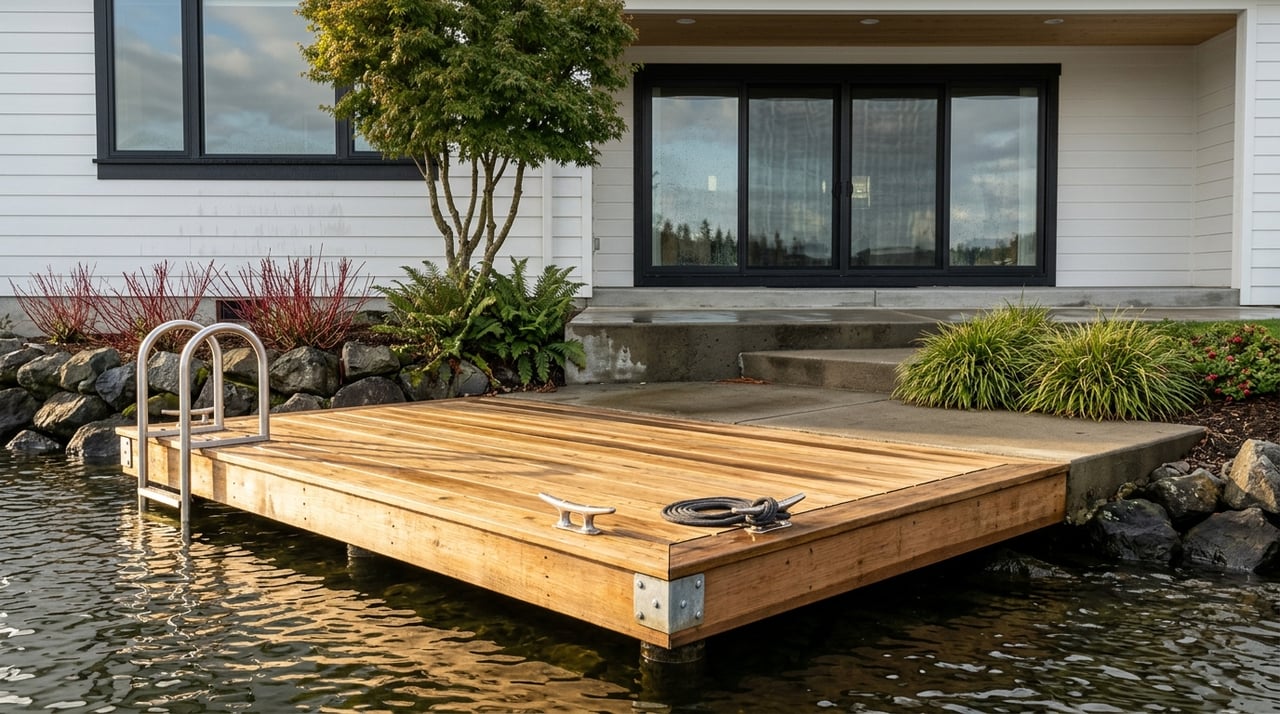
A beautiful home with limited shoreline function can be viewed very differently than a home with easy lake access. Buyers may pay close attention to whether the shoreline feels level, usable, and ready for recreation. If your property has features like a dock, lift, boathouse, or easy launch access, those details deserve clear documentation and strong marketing.
Water features are part of the product
On Lake Tapps, the waterfront is not just scenery. It is part of the home’s appeal and part of the buyer’s decision-making. If your property offers private moorage, a grandfathered feature, or a view that changes the feel of daily living, those points should be presented with care and accuracy.
Timing your sale around lake conditions
Timing can make a real difference when you sell a Lake Tapps waterfront property. Because the lake is a reservoir, water levels change seasonally, and that affects how your property shows.
According to Cascade Water Alliance’s reservoir water level schedule, the 2026 spring refill began on February 15, and seasonal recreational water levels between 541.5 and 543 feet are maintained from April 15 to September 30. Cascade also raises the reservoir to 543 feet once a year so residents can see where that full level sits.
Pierce County also notes on its North Lake Tapps Park page that the lake usually reaches full capacity by late May, water levels begin dropping in mid to late September, and the boat launch is typically closed from November to March. For sellers, this points to a practical window when the lake often shows at its best.
Best listing window for waterfront exposure
In many cases, spring through early fall gives you the strongest visual presentation. That is when the water is generally up, docks are more usable, and buyers can better picture boating, paddleboarding, entertaining, or simply enjoying the shoreline. If your goal is to highlight the full waterfront lifestyle, this window may give your listing an advantage.
Documents to gather before listing
One of the best ways to build buyer confidence is to prepare your paperwork early. Waterfront buyers tend to ask more detailed questions, and having answers ready can help reduce stress and avoid delays.
Cascade says it owns the reservoir lake bed and shoreline up to the 545-foot elevation line. On its licenses and permits page, Cascade states that any modified or new improvement on Cascade property, including docks, bulkheads, boat lifts, boat ramps, and boat houses, requires a Cascade license along with any needed state and local permits and insurance.
Pierce County’s shoreline regulations also apply to many shoreline-area projects, including structural changes, dredging, filling, bulkheading, piling work, and placing obstructions. In addition, Washington Department of Fish and Wildlife explains that many in-water and near-water projects require a Hydraulic Project Approval.
Helpful records to have ready
Before your home goes live, it can help to gather:
- Dock, lift, boathouse, ramp, or bulkhead licenses and permits
- Any available as-builts or installation records
- Septic history and repair records, if applicable
- County approvals tied to shoreline features
- WDFW approvals for qualifying freshwater or aquatic work
If you are missing documents, it is still worth identifying what exists and what may need clarification before buyers start asking questions.
Septic and shoreline reviews to address early
Waterfront homes often involve extra layers of due diligence, especially when septic systems are part of the property. Pierce County’s public shoreline septic guide states that shoreline review is required for septic repair or new septic features on properties in shoreline jurisdiction.
Pierce County also notes that its Level 1 screening is required for properties with shoreline designation, critical areas, onsite septic, or private wells. If your property falls into one or more of those categories, starting your review process early can help you avoid surprises once you are under contract.
Shoreline cleanup needs a careful approach
A clean shoreline can improve photos and first impressions, but waterfront cleanup is not something to treat casually. If you are planning to clear vegetation or refresh lake access, it is important to understand the rules before work begins.
Cascade’s TappsWise resource explains that nutrients from failing septic tanks, fertilizers, and runoff can contribute to excessive algae, toxic algae blooms, reduced water clarity, and stress on fish and wildlife. Cascade also notes that it has treated milfoil annually since 2010.
Washington Department of Fish and Wildlife says aquatic plant removal and control are regulated to protect fish and habitat. So if you are thinking about last-minute clearing before listing photos, make sure that work fits the applicable permit framework.
Smart pre-listing waterfront prep
A thoughtful pre-listing plan may include:
- Cleaning and organizing dock or shoreline-adjacent areas
- Trimming and tidying landscaping on the upland portion of the lot
- Reviewing whether any in-water or shoreline work needs approval
- Confirming that visible improvements match your records and licenses
- Highlighting stewardship and maintenance where appropriate
Pricing with confidence
Pricing a Lake Tapps waterfront home requires more than pulling nearby sales and averaging price per square foot. Buyers may assign value differently based on lake access, shoreline condition, view orientation, dock features, legal improvements, and overall usability.
That is one reason waterfront pricing often needs a more tailored strategy than a standard suburban resale. In a market where active listings can range widely, from roughly $735K to $10M on the current Lake Tapps waterfront page, positioning matters.
What supports stronger pricing
A confident pricing strategy often starts with understanding how your home compares in areas like:
- Shoreline type and usability
- Private moorage or docking features
- View quality and outdoor experience
- Legal status and condition of waterfront improvements
- Seasonal presentation and readiness for market
When those pieces are clear, buyers can better understand your property’s value.
Marketing your waterfront story
A waterfront listing needs more than standard home photos and a short description. Buyers want to understand how the property lives, how the shoreline functions, and what makes this specific location special.
That is where full-service marketing can make a difference. Strong visuals, thoughtful staging guidance, accurate feature documentation, and clear communication all help buyers connect the dots. For a property as unique as a Lake Tapps waterfront home, your marketing should explain both the house and the waterfront lifestyle in a factual, polished way.
Sell with clarity and local support
Selling a Lake Tapps waterfront home can feel complex, but it does not have to feel overwhelming. When you prepare early, gather the right documents, and bring the lakefront features into focus, you put yourself in a much stronger position.
If you are getting ready to sell and want a local, hands-on strategy for your waterfront property, connect with Bobbie Jo Roth. You can get thoughtful guidance, strong marketing support, and a plan built around your home’s unique value.
FAQs
What makes selling a Lake Tapps waterfront home different from selling a standard home?
- Waterfront buyers often evaluate shoreline usability, docks, moorage, views, permits, and the condition of waterfront improvements in addition to the home itself.
When is the best time to list a Lake Tapps waterfront home?
- Based on Cascade Water Alliance and Pierce County seasonal water information, spring through early fall is often the strongest window for showing the lake, dock, and shoreline at their best.
What documents should you gather before listing a Lake Tapps waterfront property?
- It helps to gather licenses and permits for docks or shoreline improvements, septic records if applicable, and any county or WDFW approvals tied to the property.
Do waterfront improvements on Lake Tapps require permits or licenses?
- Yes. Cascade states that modified or new improvements on its shoreline property, including docks, lifts, ramps, and boat houses, require a Cascade license plus any necessary state and local permits and insurance.
Can you clear aquatic plants before listing a Lake Tapps waterfront home?
- Possibly, but aquatic plant removal and control are regulated in Washington, so you should verify approval requirements before doing in-water or shoreline vegetation work.
Why does timing matter when selling a Lake Tapps waterfront home?
- Lake Tapps is a managed reservoir, so seasonal water levels affect how your shoreline, dock, and lake access appear to buyers during showings and marketing.