Thinking about a Lake Tapps home and wondering how an HOA fits into the picture? You are not alone. Waterfront and lake-access neighborhoods often come with community rules, shared amenities, and fees that can shape your daily life and budget. In this guide, you will learn what an HOA is, how CC&Rs and rules work, what dues usually cover, and the key documents to review before you buy on Lake Tapps. Let’s dive in.
HOA basics for Lake Tapps buyers
What an HOA does
A homeowners association is a member-run organization that manages shared property, enforces community rules, and maintains common amenities. A board of directors, elected by owners, handles budgets and hires managers or contractors. Some associations are self-managed while others use a professional management company.
CC&Rs, bylaws, rules
The CC&Rs are recorded deed restrictions that run with the property. They cover things like exterior changes, docks and boathouses, parking, landscaping, rentals, and access to amenities. Bylaws set how the HOA is governed, such as board elections and meetings. Rules and Regulations handle day-to-day items like dock hours, guest policies, or community park use.
Financial policies and management
Expect an annual budget for operating costs and a reserve study or plan for long-term projects, such as dock or bulkhead replacement. HOAs can levy regular dues and special assessments for major work. They can also charge late fees and, in some cases, record liens for unpaid assessments.
Lake Tapps waterfront impacts
Access vs ownership of lake amenities
On Lake Tapps, homes may have private waterfront, or they may rely on shared access through an HOA. CC&Rs and rules define who can use community docks, beaches, boat launches, and parks. Slip rights vary: some are deeded, some are assigned or rented, and others have a waitlist. Confirm what transfers with the home.
Docks, slips, and moorage rules
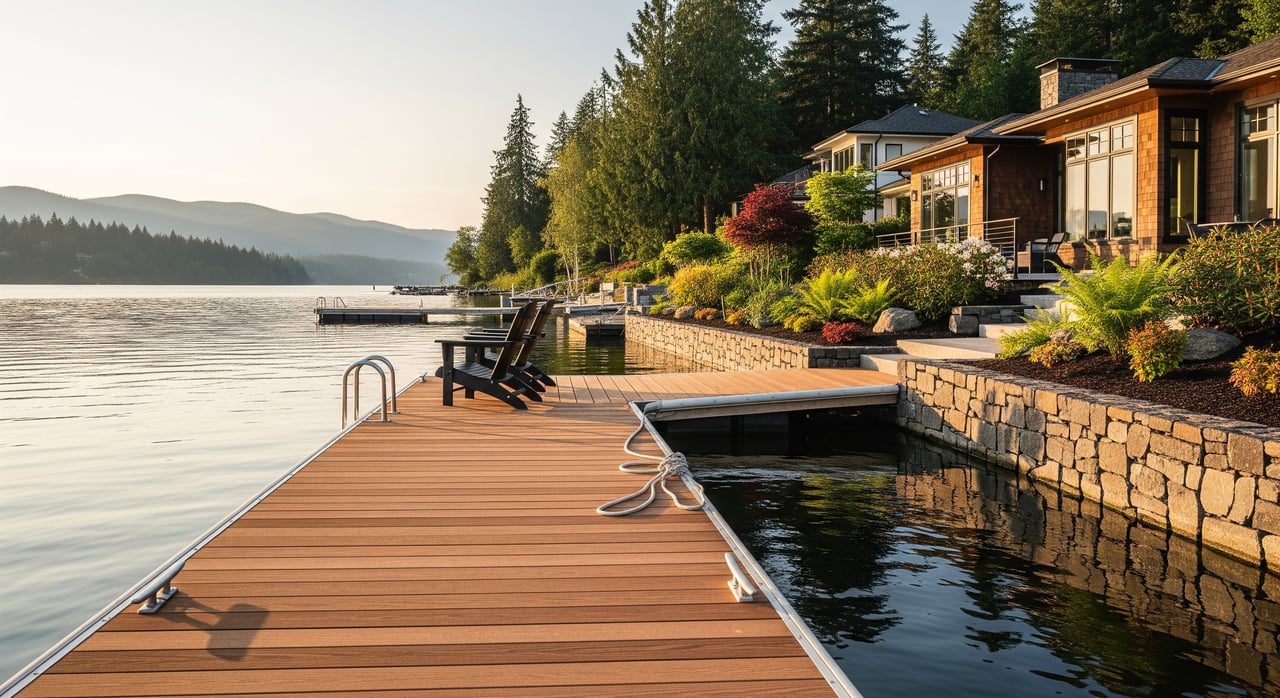
Many HOAs set standards for dock size, location, appearance, and maintenance. Some also address boat types, wake concerns, or guest moorage. Shoreline work typically also needs county or state permits. Often, HOA approval is required before you apply for permits so your plans align with community guidelines.
Common amenities you might see
Lake Tapps associations range from simple parks and landscaped entries to communities with shared docks, marinas, launches, swim areas, tot lots, trails, and picnic shelters. Services vary widely. More amenities often mean higher dues.
Use restrictions to expect
You may see rules about short-term rentals, long-term leasing, guest usage, parking and trailer storage, hours for boating or noise, and exterior changes or dock modifications. Read these closely to confirm the lifestyle you want fits the community you choose.
Enforcement culture and fit
Boards enforce CC&Rs and rules through notices and fines, and can escalate if needed. Some communities are strict, others more flexible. Review meeting minutes to understand the culture and how consistently rules are applied.
What HOA dues cover
Typical dues range
Dues vary by community size and amenity level. In Washington, minimal-common-area HOAs can be under $50 per month, while communities with private docks or marinas can be several hundred dollars. Compare each Lake Tapps neighborhood on its own.
Special assessments and fees
Large projects such as dock replacement, shoreline stabilization, or major park upgrades can require special assessments. Other potential costs include transfer fees, capital contributions, slip rental fees, guest passes, and violation fines. Ask for a clear list before you commit.
Red flags to watch
Watch for very low reserves for the age and condition of docks, marinas, or roads. Look for a history of frequent special assessments, operating deficits, or unclear bookkeeping. Healthy reserves can reduce surprises.
Review HOA documents in Washington
Essential documents to request
- CC&Rs, bylaws, and Articles of Incorporation
- Current Rules and Regulations
- Current budget and last year’s budget
- Current reserve study or reserve plan and reserve balance
- Recent financial statements and bank statements
- Board and membership meeting minutes for the last 6–12 months
- Master insurance policy declarations and any claims history
- Assessment schedule and dues payment policy
- Special assessment history for the last 5–10 years
- Any pending or threatened litigation
- Management contract and management company contact
- Dock, slip, and moorage rules, including waitlists and transferability
- Architectural review process and any violation notices for the home
- Notes on upcoming capital projects, planned assessments, or dues increases
- Any transfer or resale certificate and related fees
Key questions to ask
- Who owns the docks and slips? Are rights deeded, assigned, rented, or on a waitlist?
- Are slips transferable with the sale of the home?
- Are there rental restrictions that affect your plans?
- Have dues recently increased? Are special assessments planned?
- Is there litigation or significant claims against the HOA?
- What does the master insurance cover, and what must you insure?
- Are required inspections and permits for shoreline structures up to date?
Practical steps during review
- Read CC&Rs carefully for any deeded moorage or access rights tied to the property.
- Compare budget and reserves to the expected lifespan of docks, bulkheads, and roads.
- Ask for the HOA’s owner handbook or FAQs if available.
- Get written clarification on slip assignment rules and guest policies.
- Consider having an attorney review complex items like easements or rental limits.
- If concerned about dock or shoreline condition, hire a contractor who knows marine structures and check permit history with the county.
Local permits and shoreline rules
Pierce County and state oversight
Lake Tapps is a reservoir with county and state oversight for shoreline work. Docks, bulkheads, and other shoreline changes generally need Pierce County permits and may also involve state-level reviews. HOAs often require their approval first so association standards align with any permit submission.
Seasonal and environmental factors
Water levels, erosion, and aquatic vegetation can affect use of docks and beaches. HOA policies and county regulations may address vegetation maintenance, repairs, and lake-use practices. Budget planning should reflect these seasonal realities.
Quick buyer checklist
- Confirm lake access type: private waterfront, community access, or none.
- Verify slip status: deeded, assigned, waitlist, or rental.
- Review CC&Rs, rules, budgets, and the reserve study.
- Ask for 6–12 months of minutes, plus any litigation updates.
- Check master insurance coverage and owner responsibilities.
- Identify special assessments in the last 5–10 years.
- Confirm dues amount, payment schedule, and known increases.
- Ask the HOA about dock permits, inspections, and maintenance plans.
- Consider legal and contractor reviews for docks and shoreline structures.
Ready to compare neighborhoods?
If you want lake access without surprises, the right HOA fit matters. Our team helps you read the fine print, compare reserves and dues, and confirm slip and shoreline details so you can buy with confidence. Have questions about a specific Lake Tapps community or an HOA packet you received? Reach out to Bobbie Jo Roth for friendly, local guidance.
FAQs
What is an HOA and how does it affect Lake Tapps waterfront homes?
- An HOA manages shared amenities, enforces CC&Rs and rules, collects dues, and can influence access to docks, beaches, and launches that shape your daily lake lifestyle.
Do Lake Tapps HOAs control who can use community docks or beaches?
- Yes, CC&Rs and rules set eligibility, guest policies, and whether slips are deeded, assigned, rented, or waitlisted, which can affect transfer at closing.
How much are HOA dues in Lake Tapps waterfront communities?
- Dues vary widely; minimal HOAs can be under $50 monthly, while communities with docks or marinas can be several hundred dollars, depending on services and reserves.
What should I review in HOA documents before buying on Lake Tapps?
- Focus on CC&Rs, rules, budgets, reserve study, minutes, insurance, special assessment history, dock and slip policies, and any planned capital projects.
Do I need permits to repair or replace a dock on Lake Tapps?
- Shoreline work often needs Pierce County permits and sometimes state approvals; many HOAs require association approval before you apply for permits.